Local assemblies
Local assemblies are a proven participatory practice, designed for communities everywhere to bring people together to discuss and deliberate on the issues that shape their lives – from climate and food systems to AI and priorities in their area. Anyone, anywhere can host one – in a school, a park, around a kitchen table. Through the Global Citizens’ Assembly, every local assembly feeds into a bigger picture, informing and influencing decisions at a global level.
What is a local assembly?
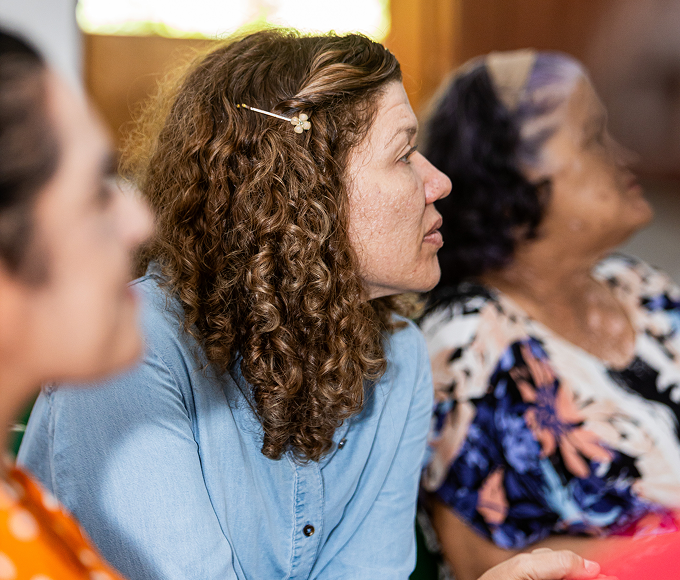
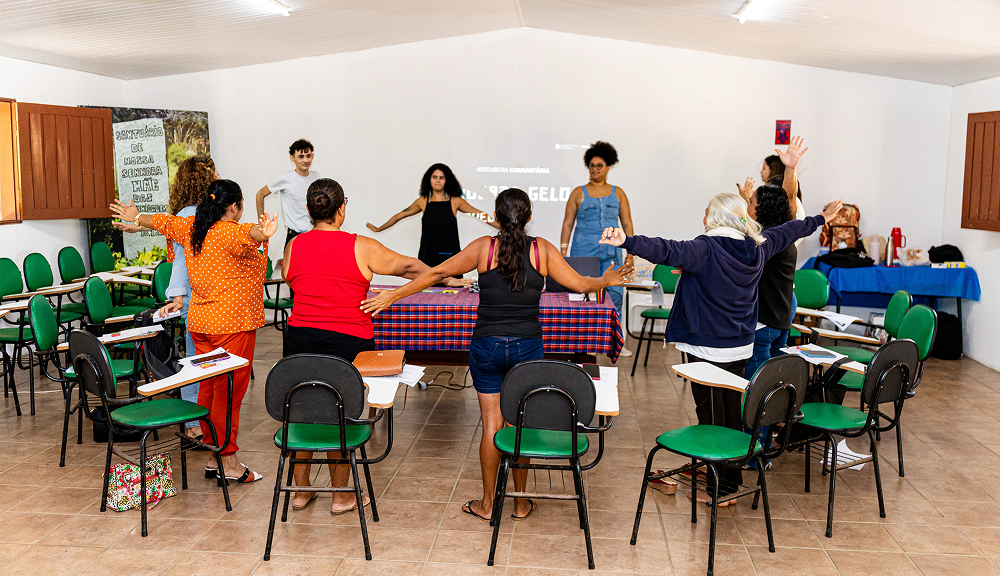
A local or community assembly is a structured conversation that brings a diverse group of people together to explore a shared challenge, hear different perspectives, and agree on what should happen next.
Unlike a standard public meeting or consultation, a local assembly creates space for something deeper. Participants share their own experiences and knowledge, hear from others with different backgrounds and expertise, and work through difficult choices together. Assemblies have helped communities tackle division and brought overlooked perspectives into decision-making processes. The goal is not to win an argument but to reach a more informed, collective understanding and agree on practical action.
Assemblies in action: Brazil and Mozambique
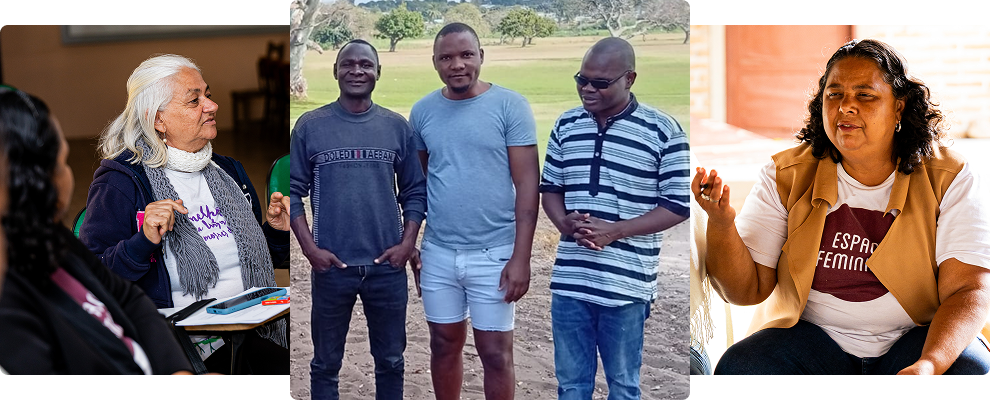
In 2025 and 2026, dozens of citizens’ assemblies took place across Brazil and Mozambique, as part of our work supporting Brazil's COP30 Presidency.
Organized by local groups with full autonomy over how they ran their assemblies, the outputs reflected a wide range of realities, priorities and ways of understanding the climate crisis. Indigenous women leaders used the format to map differences across regions and strengthen their collective advocacy. Youth groups in São Paulo connected the climate crisis to flooding and sanitation in their own neighborhoods. An Afro-Brazilian Umbanda community brought spiritual and cosmological framings to questions of food and land. Rural women farmers in Brazil’s Northeast were able to run a full-day assembly which meant they could go far deeper than the standard format allowed.
Several organizers, particularly indigenous women leaders, took the model well beyond what was originally planned, running multiple additional assemblies and describing the format as something that was "empowering our struggle.
These assemblies weren’t standardized experiments. They were communities using a shared structure to address the things that matter most to them while feeding those insights into a global conversation.
Assemblis: A digital home for assemblies everywhere
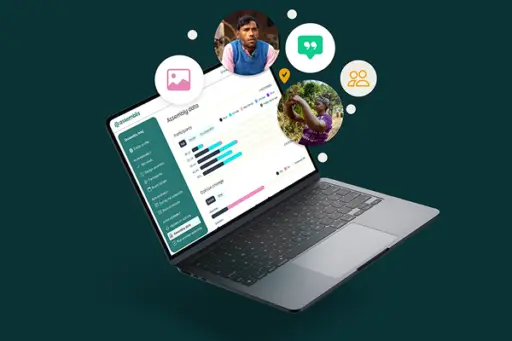
Assemblis is a free digital platform that helps people organize assemblies in their communities, connect with others, share what they’ve learned, and contribute to a growing movement for collective change. It gives every assembly, however small or local, a place in a global picture. If you’ve already run an assembly, Assemblis is where you can document and share it, so others can learn from your experience and build on your findings. If you’re planning an assembly, you’ll find practical guidance, examples from real communities around the world, and tools to help you get started.
Go to Assemblis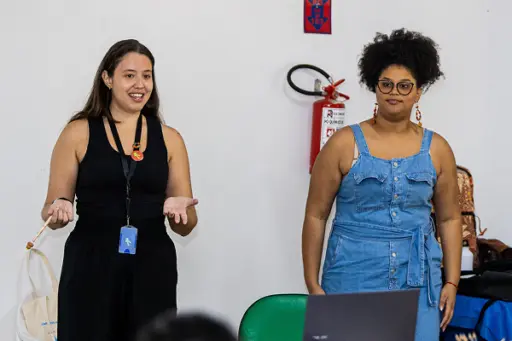
How to run your own local assembly
Anyone can organize an assembly. You don’t need specialist training or significant resources. All you need is a group of people, a few hours, and a willingness to listen. If you’d like to run a citizens’ assembly, the Assemblis digital platform provides practical guidance, facilitation resources, and a place to publish your findings as part of a growing global dataset.
I want to run my own assemblyFrequently asked questions
What are local or community assemblies?
A local or community assembly is a group discussion that allows people to come together, debate shared challenges, and contribute their perspectives.
Can anyone take part?
Yes. Local assemblies are open and adaptable, designed to work across different contexts and communities.
How to local assemblies connect to the global level?
Insights from local assemblies are shared and combined, helping to inform the global civic assembly and broader decision-making processes.
Do local assemblies set the agenda?
They play an important role in shaping perspectives and priorities. Over time, this relationship will continue to evolve.
Why don't more people take part?
Barriers include time, access, and awareness. Online formats, local partnerships, and flexible models help make people feel included.
Why are local assemblies important?
They expand participatory democracy beyond a small local group, allowing many more people to engage and helping ideas travel between local and global levels.