


In a world of rupture, governance must evolve.

Our governance systems are struggling to meet global challenges like climate change, infectious diseases, and tech governance. The Global Citizens’ Assembly brings people together to deliberate and shape decisions that can move us forward. By connecting and strengthening local and global assemblies we are creating a new framework for people-centred governance.

GCA Header Why it matters

Why participatory governance matters now

https://admin.globalassemblies.org/uploads/GCA-Global-Challenges.png

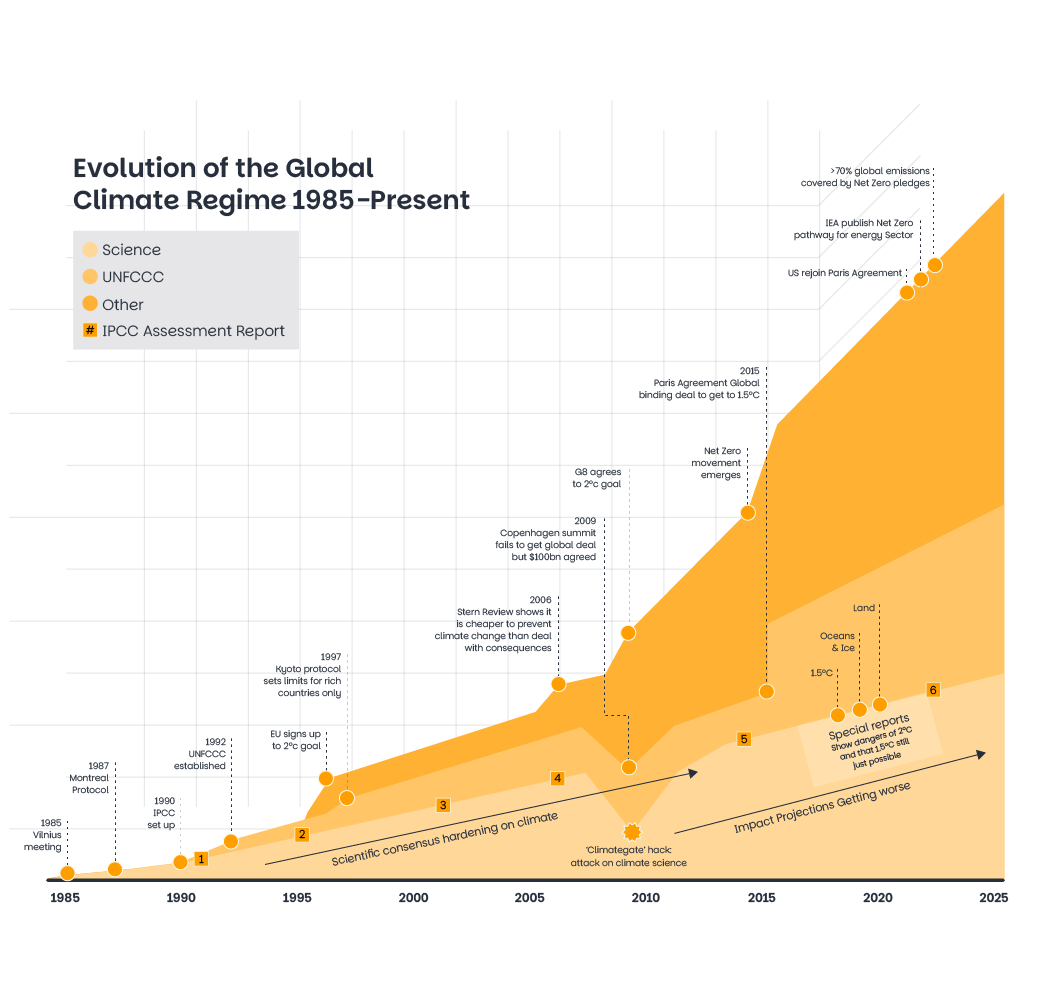
Existing institutions are struggling to keep pace

The planet is breaking down and people everywhere are feeling the pain. The political systems we rely on were built for a more stable world. If they are to stay fit-for-purpose in today’s reality, we must rethink democracy and participation: from ‘voice’ to shared power. 

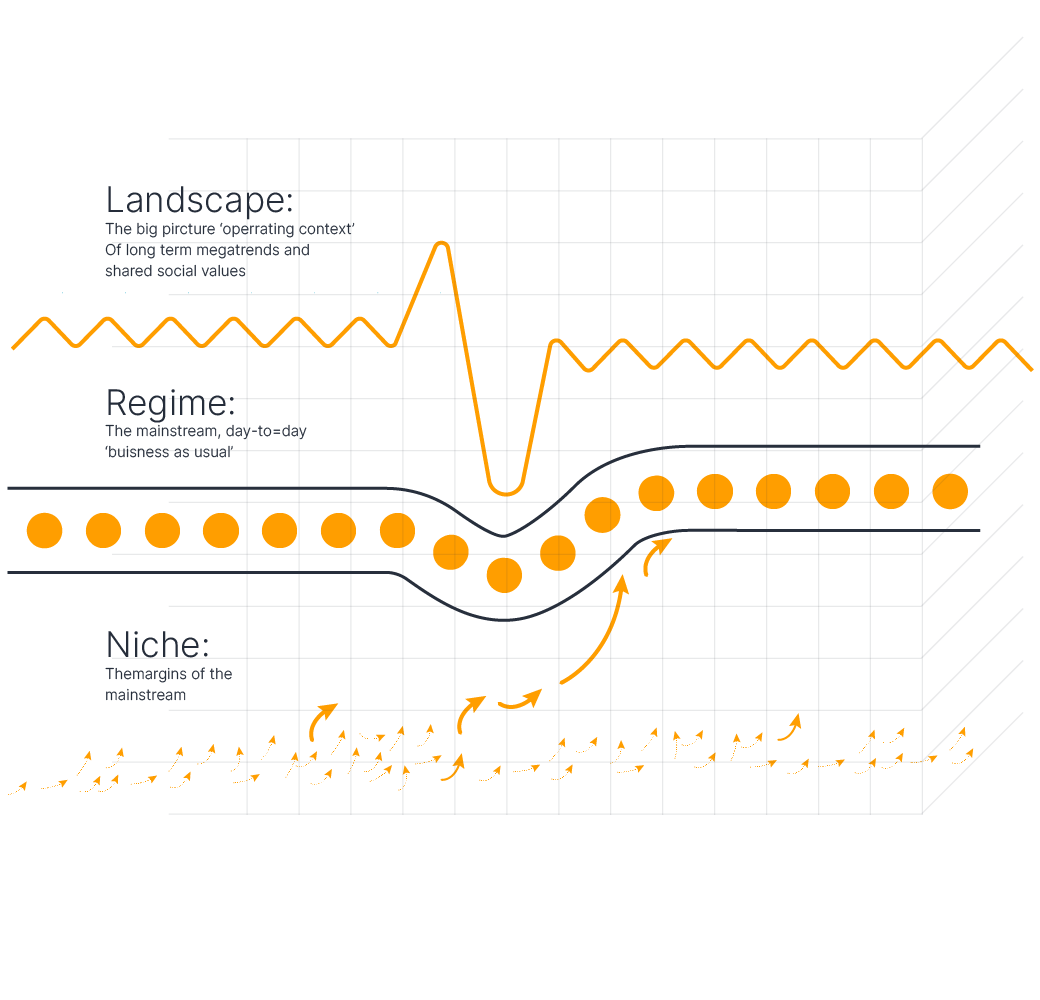
New ways of making decisions are starting to take shape. Innovation in global governance is happening. But this remains fragmented and outside the mainstream. The question is how we define the future of global governance and move it into the heart of decision-making processes.

https://admin.globalassemblies.org/uploads/GCA-governance-gap.png

The governance gap in democracy is growing

People understand the challenges across climate, food, and everyday life, and want to see change in the decisions that shape their lives, from local systems to global agreements. But those decisions don’t always reflect what most people think or need. As a result, the priorities of the majority are still not consistently reflected in how decisions are made.

  1. Public participation in decision-making remains limited.
  2. Consensus is hard to build and polarization is growing.
  3. Trust in public institutions is eroding.
  4. Issues are becoming more complex.
https://admin.globalassemblies.org/uploads/GCA-Understanding-without-influence.png

Participation is becoming more essential than ever

People are not disengaged from these issues. Across assemblies and participatory processes worldwide, people consistently demonstrate the ability to engage with complexity, navigate trade-offs, and contribute thoughtfully to difficult decisions.

Yet opportunities for meaningful participation remain limited. Without ways for people to shape decisions, support for long-term transitions becomes harder to build, legitimacy weakens, and collective action becomes more fragile.

A different way of deciding is already emerging

Across the world, assemblies and other participatory processes are already creating new ways for people to engage in decision-making. From local communities to national processes, they are demonstrating that complex issues can be explored collectively and informed by public judgement.

A growing ecosystem of participatory practices is emerging. Yet despite their spread and proven potential, these processes remain fragmented and still largely outside mainstream governance systems.

https://admin.globalassemblies.org/uploads/GCA-Role-of-GCA.png

What’s the role of the Global Citizens’ Assembly?

The Global Citizens’ Assembly addresses the widening gap between public understanding and institutional response. It connects emerging participation so it can inform global-decisions more consistently and at scale.

Explore more

Screenshot 2026 06 05 at 12 34 10

Abraham's story

As climate change and food insecurity reshape life in Colombia’s La Guajira region, Wayúu leader Abraham Jayariyu joined the 2026 Global Assembly on Food and Climate to ensure Indigenous knowledge and lived experience are part of the conversations shaping the future of food, climate and global governance.

Read more

Whats App Image 2026 04 03 at 09 58 10 2

Ahmad's Story

What happened when a fisherman from Indonesia’s coast joined the Global Assembly on Food and Climate? For Ahmad Marzuki, it meant taking the realities of declining fish stocks, displacement and community resilience all the way to the international stage.

Read more

Frequently asked questions

Why is innovation with global governance needed now?

We are facing global challenges that require long-term, collective decisions, while trust in institutions is declining. Existing systems are struggling to keep up. This creates both urgency and space for new forms of participation.

Why aren’t existing political systems enough?

Existing systems remain essential, but often struggle with complexity, long-term thinking, and polarization. Deliberative processes complement these systems by creating space for more informed and considered decision-making.

Isn’t there already too much consultation already? How are deliberative processes different from public consultation?

Much of what people experience as consultation lacks depth or influence. Deliberative processes are different: they’re structured, time-intensive, and designed to meaningfully inform decisions.

Can assemblies reduce polarisation and misinformation?

When people are given time, information, and structured dialogue, they tend to move beyond polarized positions. Assemblies and other deliberative processes consistently show reductions in misinformation and stronger mutual understanding.

What role could the Global Citizens’ Assembly play in the future of governance?

We’re moving from one-off experiments towards more permanent forms of participation. Over time, this could become a regular part of how decisions are made.

How does the Global Citizens’ Assembly rebuild trust?

Trust is not restored through messaging alone. It grows when people can see how decisions are made, take part in them, and recognize their role in the outcome.